Pattern Background
As an embroidery designer and product reviewer, I often find myself evaluating new designs with a critical eye, especially when they’re intended for real-world use. Pattern Background is one such design that caught my attention—not just for its technical specifications, but for how it might translate into actual projects. Let’s dive into what this design offers and where it could shine or fall short.
The First Impression
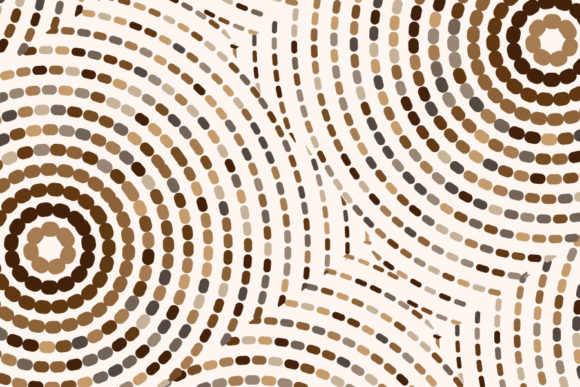
From the moment I opened the file, Pattern Background felt intentional. The seamless nature of the design suggests it was crafted with care, and the 100 vector shapes give it a modular quality that makes it adaptable. The layout is clean, with a balance of negative space and intricate elements that don’t feel overwhelming. It has a subtle, modern aesthetic that leans toward minimalism but still carries enough detail to be visually engaging.
This design feels like it would work well on items that need a touch of sophistication without being too busy. Think of a custom embroidered tote bag or a sweatshirt that needs a bit of visual interest without overshadowing the rest of the design. It’s not overly ornate, which makes it versatile for a range of styles and occasions.
Real-World Embroidery Use Cases
Pattern Background is ideal for custom apparel, especially when you want to add a unique touch without going overboard. For example, if you're creating a line of handmade t-shirts or tote bags for a small shop, this design could serve as a background element that adds depth without competing with other graphics. It also works well for baby items, where simplicity and softness are key.
When used as an applique design, the vector-based nature of Pattern Background allows for precise cutting and placement. The high-resolution files (300 dpi) ensure that the details remain sharp even when scaled up or down. This makes it a solid choice for embroidered patches, aprons, or even pillow covers that require a consistent look across different sizes.
For digital product sellers, this design could be a valuable addition to a collection of printable mockups or design assets. Its editable format means you can tweak colors, adjust scale, or integrate it into other projects without losing quality. It’s also a good fit for craft businesses looking to offer customizable options to their customers.
Where to Be Cautious
While Pattern Background is a strong design, there are some scenarios where it may not perform as well. If you're working with small hoop sizes, the complexity of the design could lead to stitching issues or incomplete coverage. Similarly, on textured fabrics or thin materials, the details might get lost or appear uneven.
On dark fabrics, the contrast between the design and the background could be an issue unless you choose thread colors that stand out. Stretchy or layered garments may also pose challenges, as the design might not sit flat or could stretch out during wear. For curved surfaces like caps or hats, the design might require some adjustment to fit properly.
If you're planning to use Pattern Background in dense stitch areas or for tiny lettering, you’ll need to pay close attention to stitch density and placement. The design’s intricate parts could become messy if not handled carefully, especially on delicate or stretchy materials.
Impact on Visual Appeal and Customer Perception
One of the biggest advantages of Pattern Background is how it enhances the visual appeal of a finished product. When applied correctly, it adds a level of craftsmanship that customers recognize and appreciate. Whether it's a personalized gift or a commercial item, the design contributes to a more professional look that aligns with brand identity.
Customers often respond positively to handmade products that have thoughtful design elements. Pattern Background can help elevate your offerings, making them more attractive for Etsy listings, craft fairs, or boutique displays. It also supports the idea of customization, which is a big selling point for many buyers looking for unique, one-of-a-kind items.
For small business owners, this design can be a reliable asset that consistently delivers quality. It helps maintain brand consistency across different products and ensures that your embroidery projects meet a standard that customers expect from handmade or custom-made items.
Practical Designer Notes
Before committing to a project with Pattern Background, I always recommend testing the design on scrap fabric. This helps you see how the stitches will look on your specific material and whether the thread colors contrast well. It’s also a good idea to review the stitch density to make sure the design isn’t too dense or too sparse for the fabric you’re using.
Check the hoop size required for the design—some complex patterns may need a larger hoop than you expect. Inspect the small details closely, especially if you're planning to use it on items that will be washed frequently. A proper stabilizer is essential for maintaining the integrity of the design, especially on stretchy or lightweight fabrics.
Consider how the design looks in black and white mockups, as this can reveal hidden issues or areas that may need adjustment. Compare it against both light and dark fabric backgrounds to ensure visibility and clarity. Finally, confirm the licensing terms before using it for commercial purposes or selling digital products.
Final Thoughts
Pattern Background is a versatile and well-crafted design that can enhance a variety of embroidery projects. Its clean layout, editable format, and high-quality resolution make it a valuable resource for designers, small business owners, and crafters alike. While it has some limitations in certain situations, its strengths far outweigh its drawbacks when used appropriately.
Whether you're creating custom apparel, personalized gifts, or digital design assets, this pattern has the potential to elevate your work and provide a polished finish that customers will appreciate. As with any embroidery file, the key is to test, adapt, and ensure it fits your specific needs and materials.